Reflections
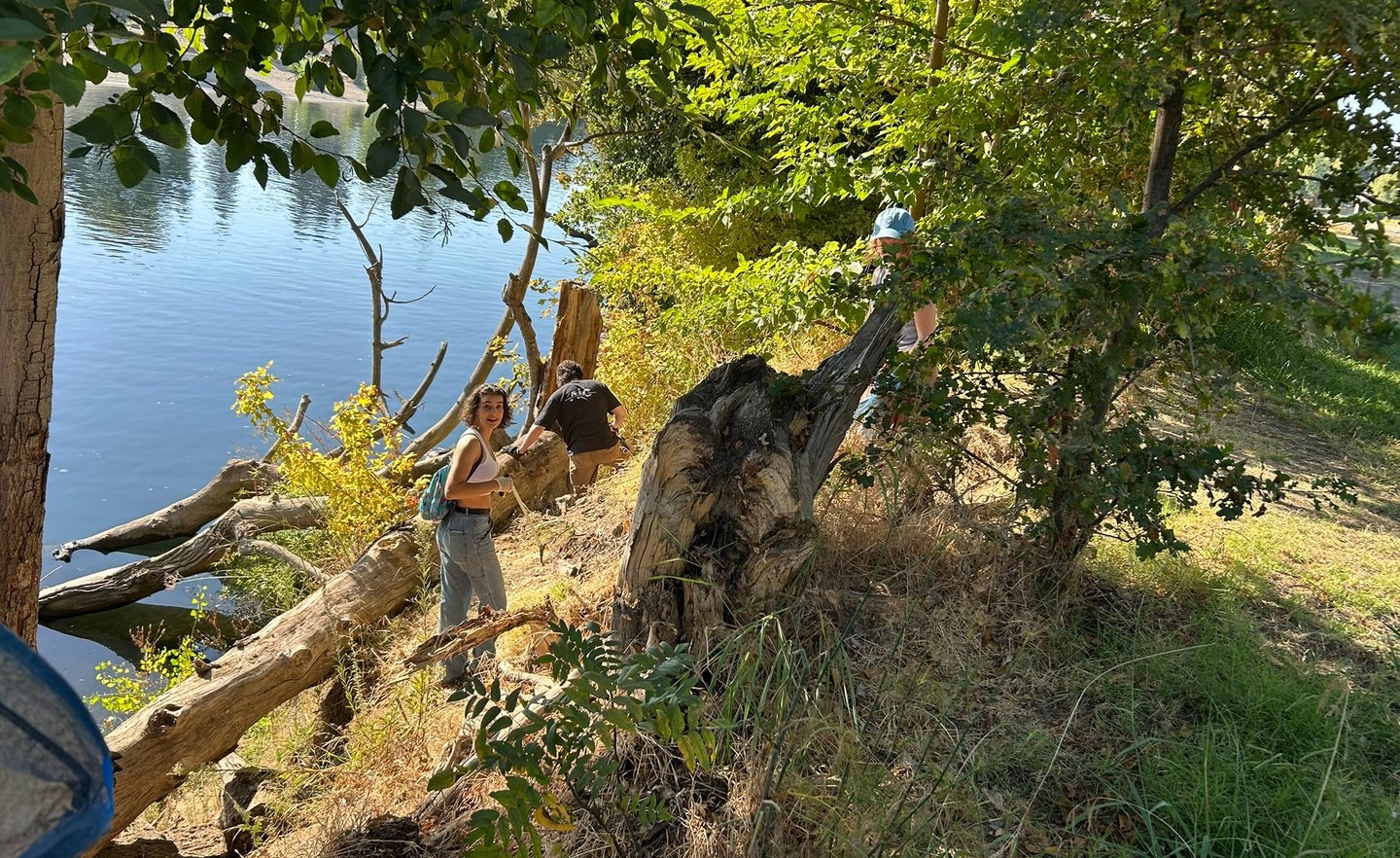
Photo by Dr. Garren
3.1 Verbal Communication Reflection
The following images take you through a children's story showing the path and effects of food waste with some notes added. Please note images were created through AI prompts to keep them all related and really give the feel of the book even through nobody in our group had the artistic abilities to design the images by hand and draw them.
From my multiple intelligence quiz, I found that while my highest are logical and kinesthetic, I also scored high on both verbal and interpersonal. This did not surprise me much. I used to get nervous about presentations but between coaching, presentations, club meetings I run, and events I host I have gotten a lot of practice public speaking and am very comfortable presenting to groups of people. For the comments I got It was “Overall great. Some of the students thought that AI made slides. If this were the case, then you should acknowledge it in the presentation.” This tells me that the verbal skills involved in presenting went well with the presentation and it was engaging for people in the presentation and yes, I used AI to generate the slides and worked with a lot of different prompts and trial and error in order to get a collection together that matched the story we were telling and gave the appearance of a cohesive children’s book. I started out a little shaky with the delivery in my opinion but after the first slide I would say I had good body language, pace, and confidence for the presentation.
Communication is extremely valuable. In order to effectively work with anyone, there needs to be communication or the ideas and different parts that people are working on will never come together. Everyone has a different way of thinking and interpreting the concept which could lead to multiple very different ideas from different people and without communication, it would be impossible to do one working project as the products from different people could be so different. Additionally, you have to be able to communicate ideas and products in order to grow as an individual and company and develop new technologies. I have had a lot of leadership, collaboration, and communication training and experience from a young age with coaching, student gov, college clubs, sports teams, and just working in groups for various projects and a team that can communicate is always way more successful than those who can’t.
While I am very confident in my presentation skills, there are definitely some areas I think I can improve upon. For one, I do rely heavily on notes for the facts, and I think if I had some more memorized then I could have a more impactful delivery. Additionally, I still do get nervous for the first slide of a presentation and that is something I would like to improve on with practice and just building more confidence giving presentations. Understanding my learning style does help me communicate with all sorts of professional audiences and it really helps to know what areas are my strongest to emphasize and use those such as with logic and verbal. I can choose how to communicate based on my strengths which leads to the message getting across more clearly to my audience.
3.2 Written Communication Reflection
You can click on each image in the gallery here to enlarge each page of the newspaper.
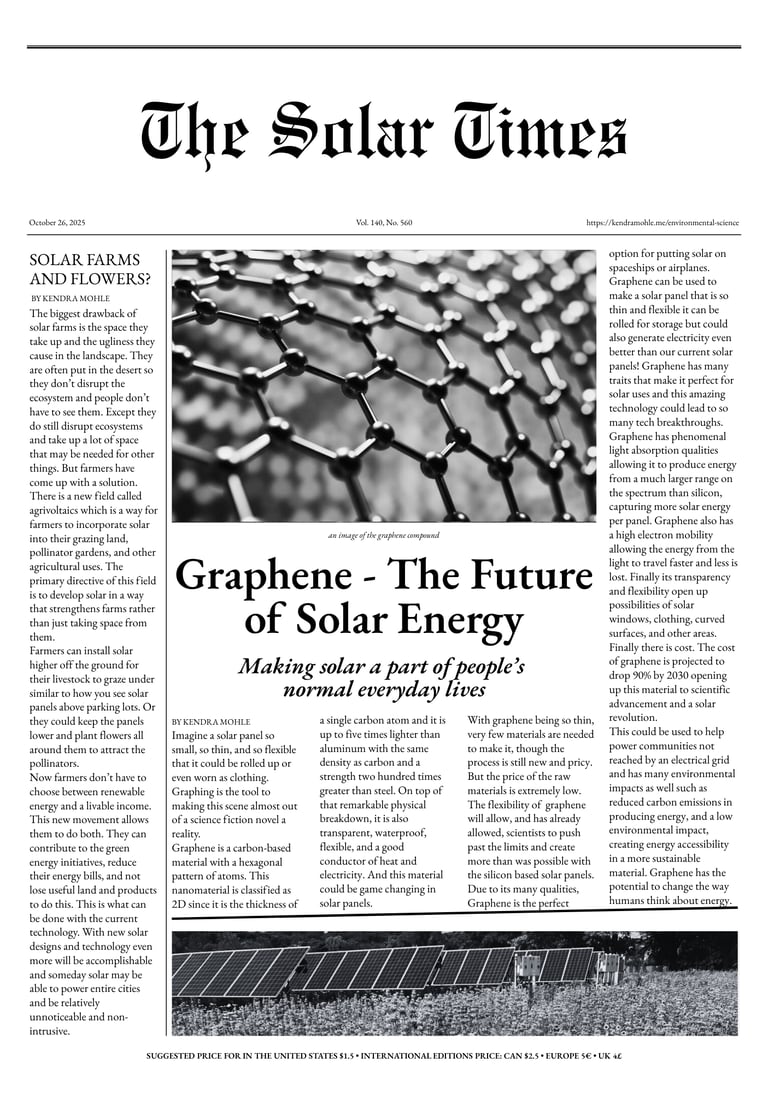
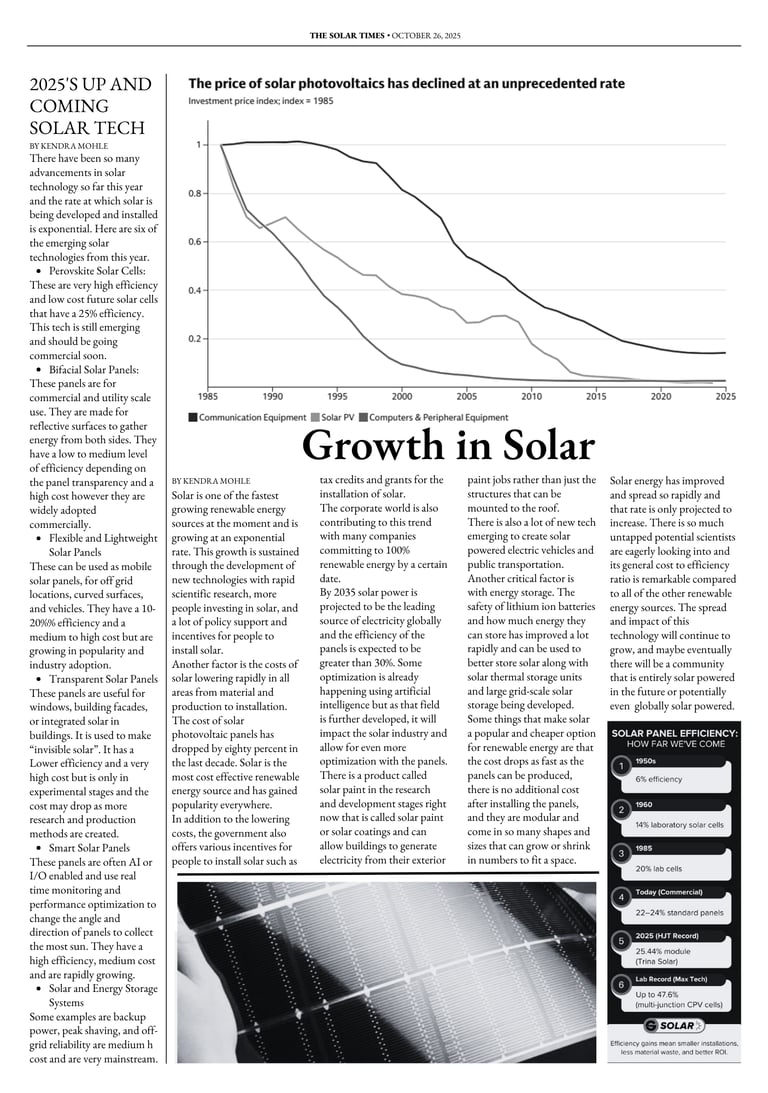
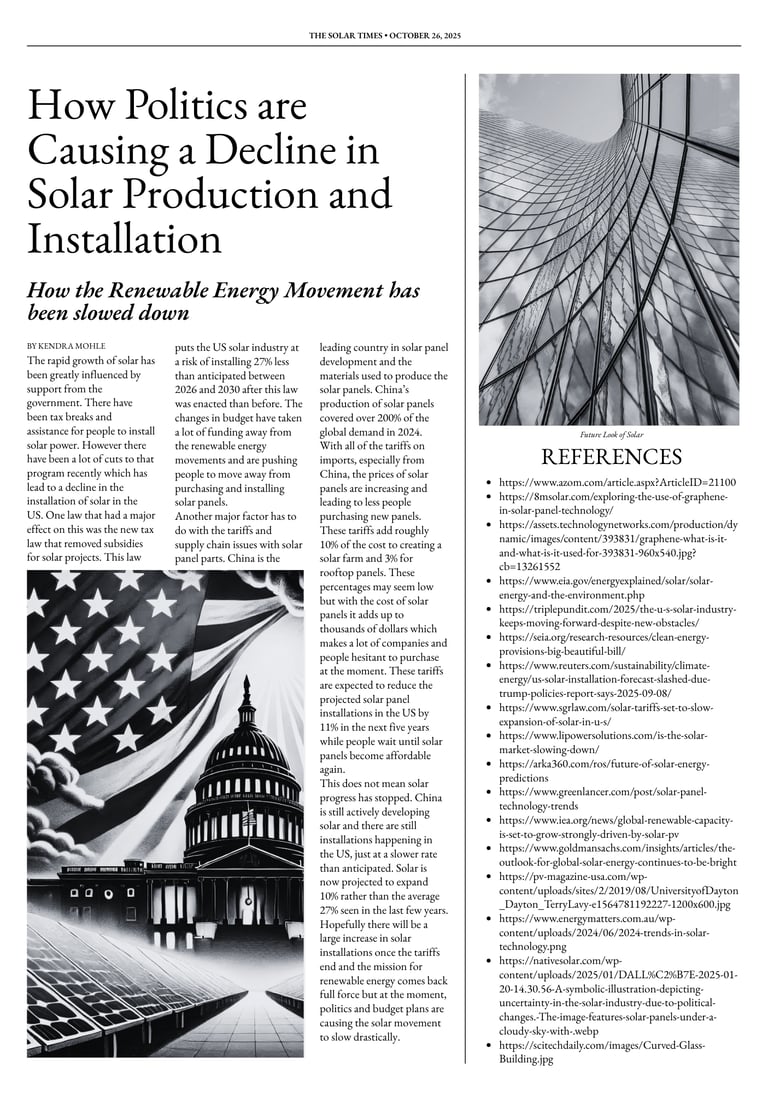
This assignment mostly just confirmed what I already knew about my writing. I am really drawn to combining many ideas into one paper. With a topic, there are usually a variety of very different subtopics that I am interested in within that. This means a lot of my essays are usually working to tie the different ideas together. I definitely can improve on relating those ideas and bringing everything together and also shortening the volume of text. I did some research on solar and then chose my format as a newspaper because it allowed me to bring many different topics together seamlessly. When you think of newspapers and magazines it’s a bunch of unrelated substories tied together under one main theme which is what I did here. From my Multiple Intelligence Profile, I have a higher intelligence score in the logical and visual/special categories which plays into this design. I had to find a logical flow and look for the newspaper and used my visual and special skills to design it in a way that it fits nicely on the pages, utilizes the space in a good way, is organized, and easy to look and see how each image relates to which of the articles in the paper.
Written communication is critical in school, civic life, and professional settings. In order the share and spread ideas in any of these parts of life, you must have written communication skills. Professionally, especially in science and engineering, research papers are extremely important for spreading ideas. That is the core way ideas and research and experiments reach people in the future working on that issue or people in different parts of the world helping each other and working together to design different tech and new science. It’s a historical record of anything and a way people can look to the past, or different locations in the present, and allow people to look at each other’s work and then build upon it rather than starting over.
I really enjoyed reading my different classmates’ written work and looking at the different ways they have all organized their information and the different writing styles. The different styles have very different impacts. The story line style was very interactive and a great storytelling display of data and had more of a personal effect. The blogs were shorter and to the point with a fun and creative writing style that drew the reader’s attention and then got the point across in an engaging way. And finally, the articles and essays were great for getting a lot of data about the issue across at a time and helped the reader develop a deep understanding of the issue.
One of my goals for writing is efficiency. My writing tends to be longer and more drawn out than necessary to get the point I’m making across, and I strive to get better and make my writing brief. This is just a skill that will take me time to practice filtering down my essay and working on the editing process to make it more efficient and powerful writing.
3.3 Civic Engagement Reflection
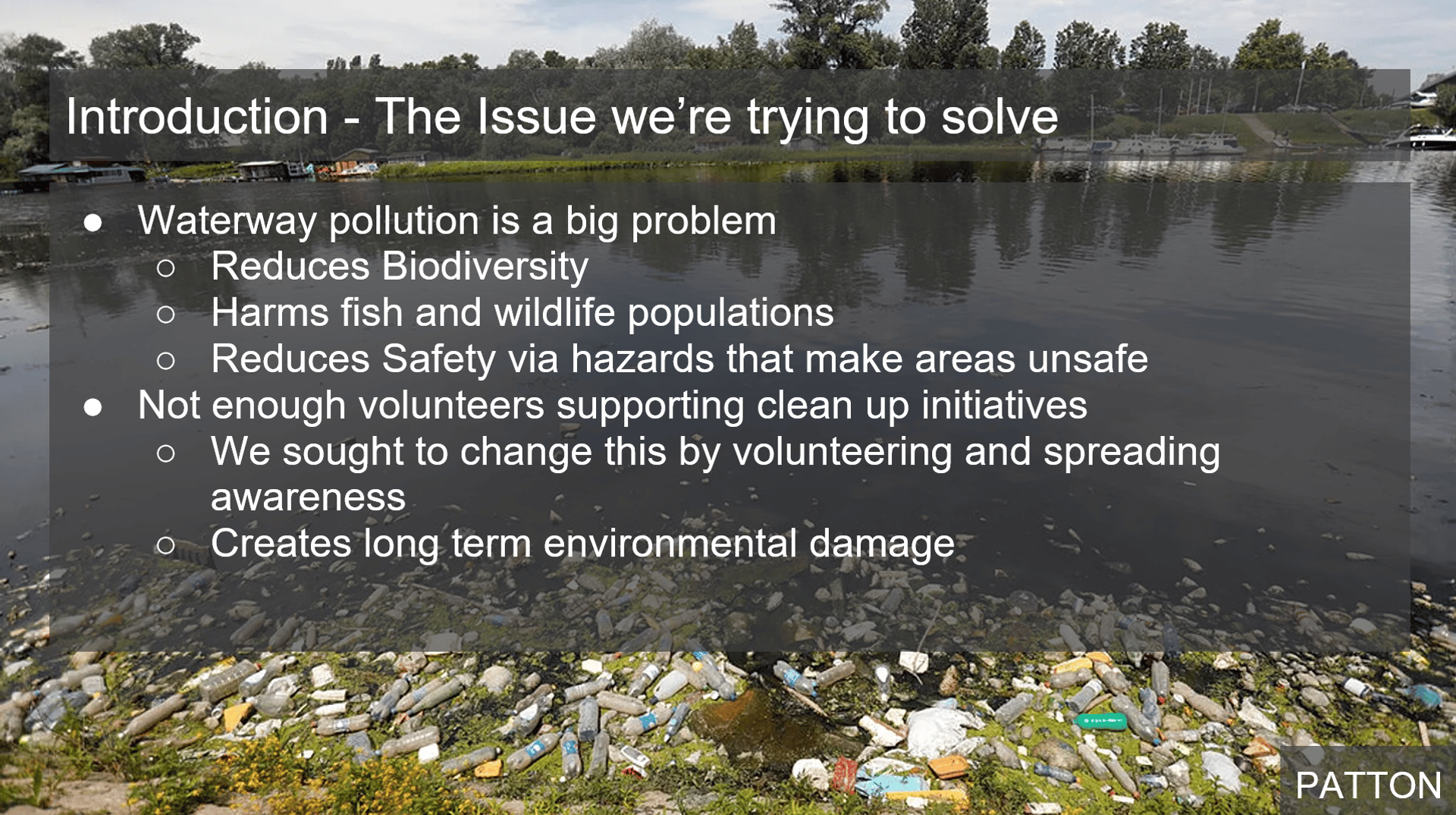
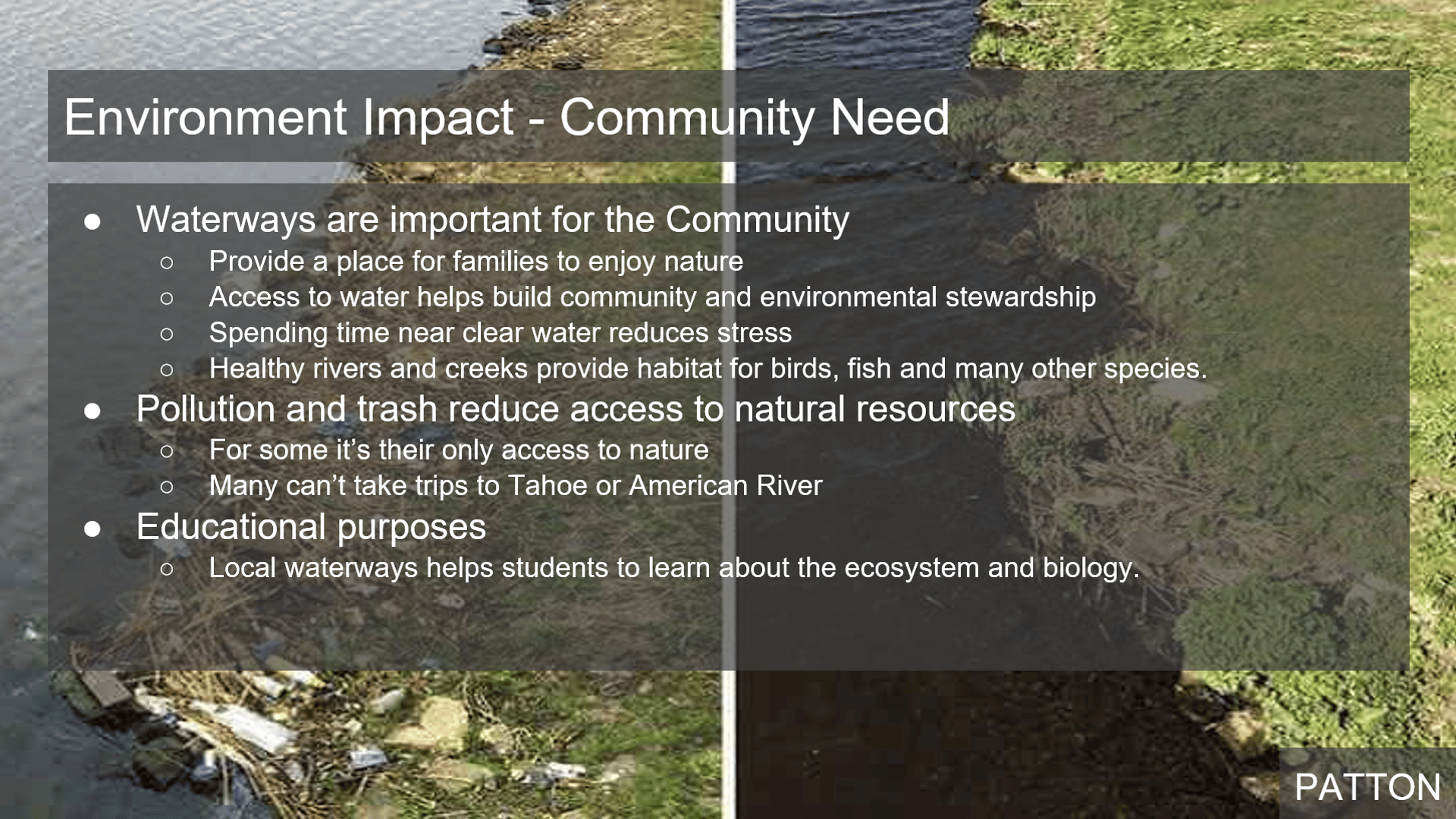
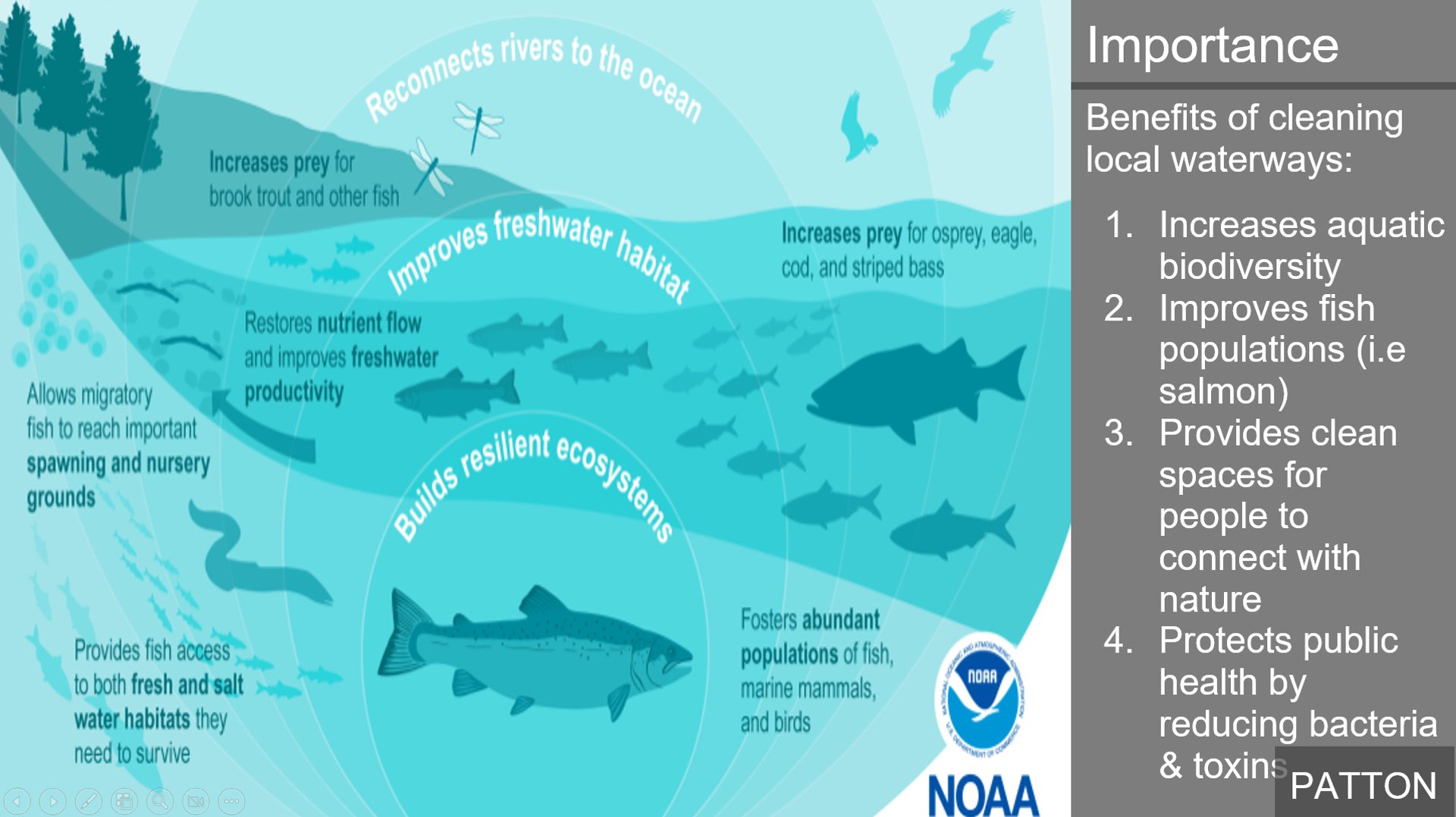
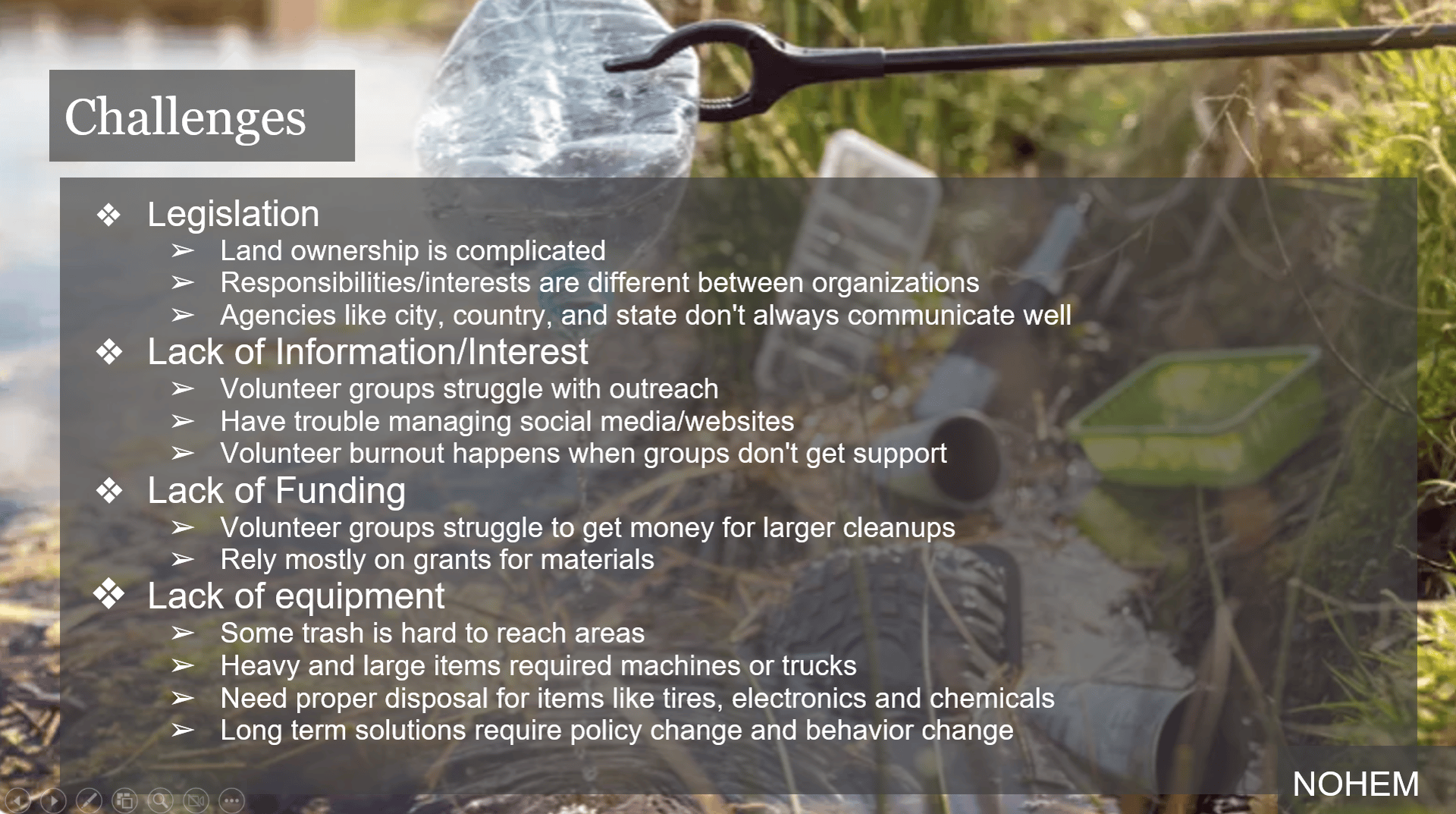
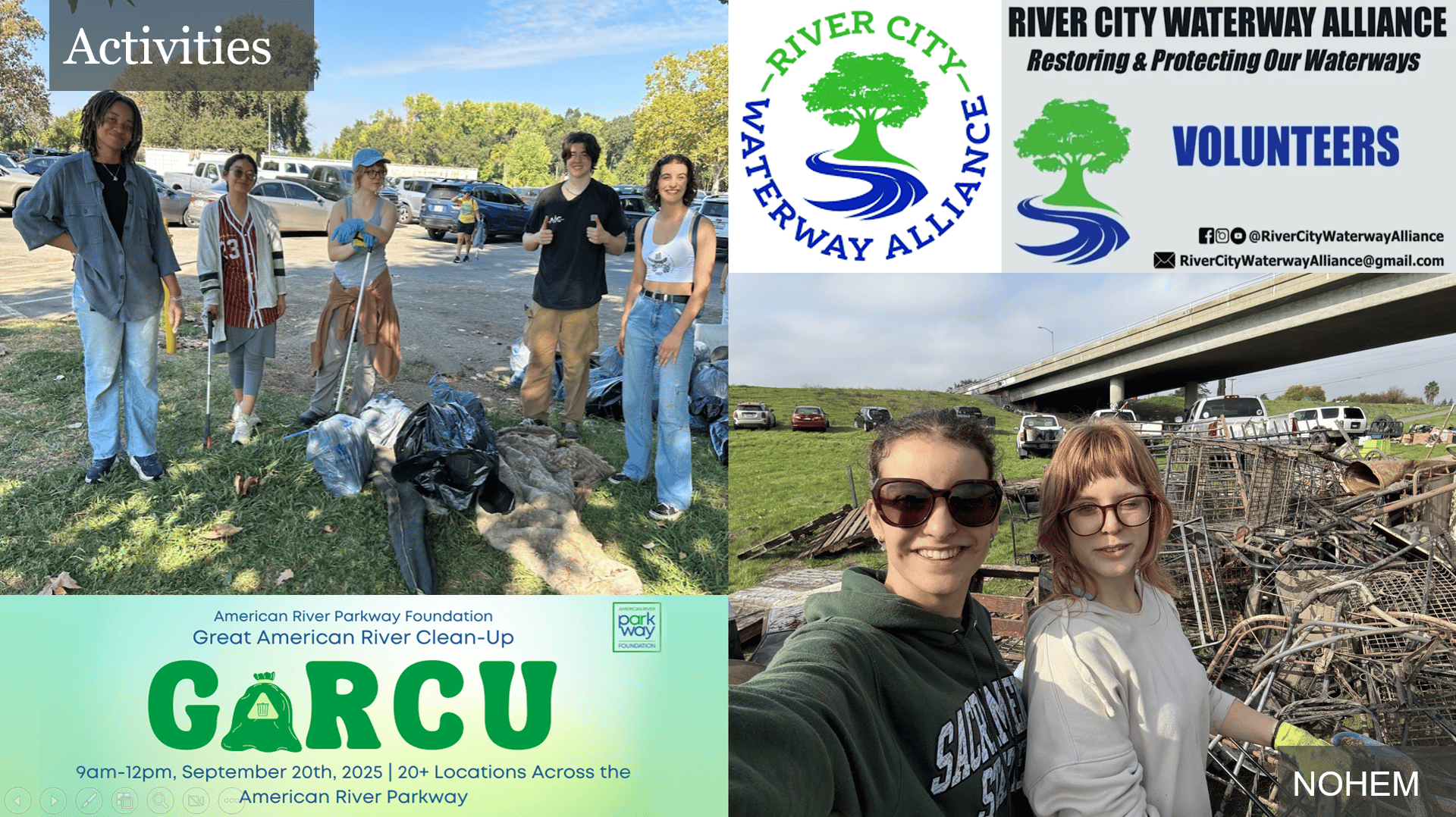
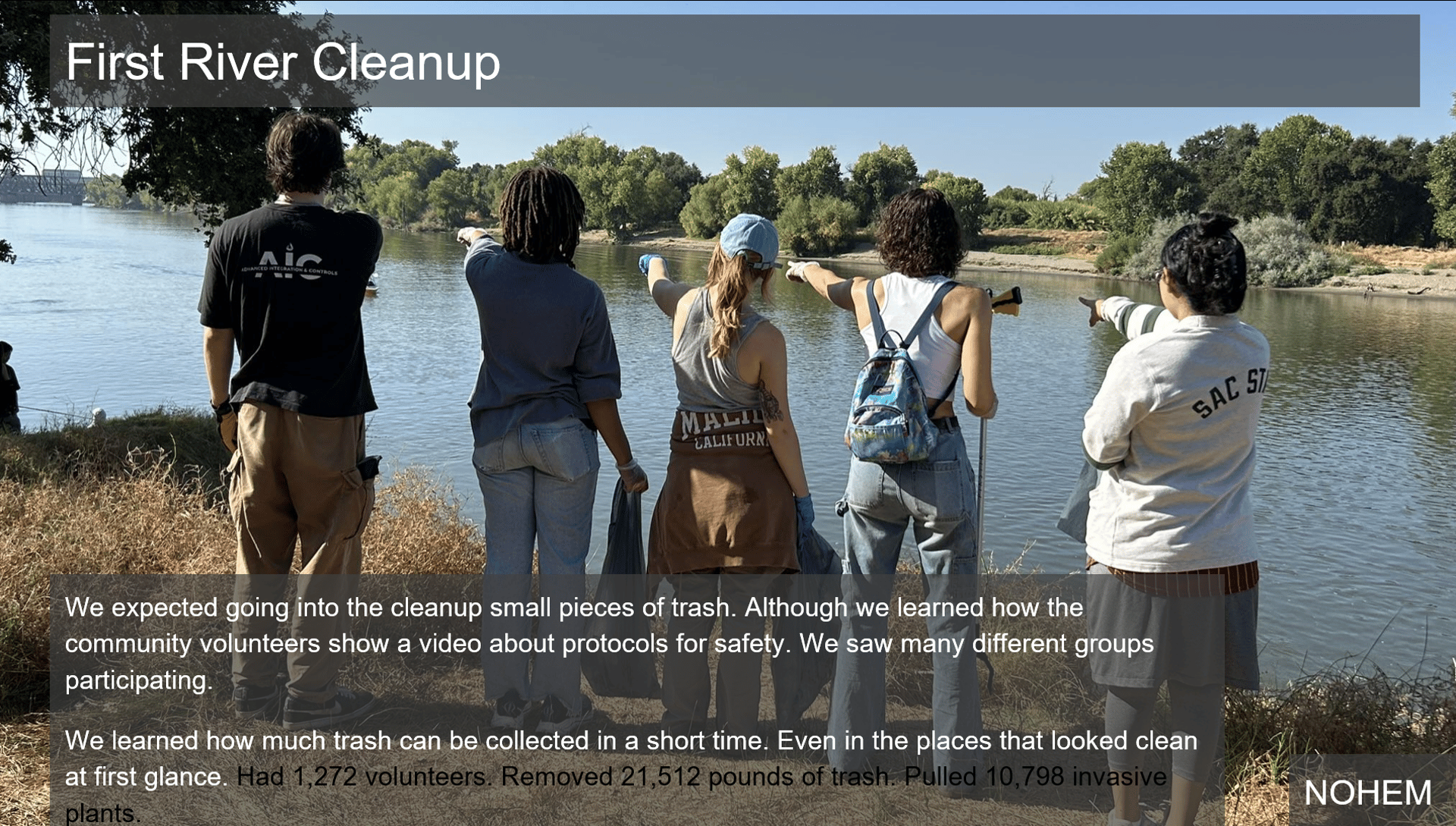
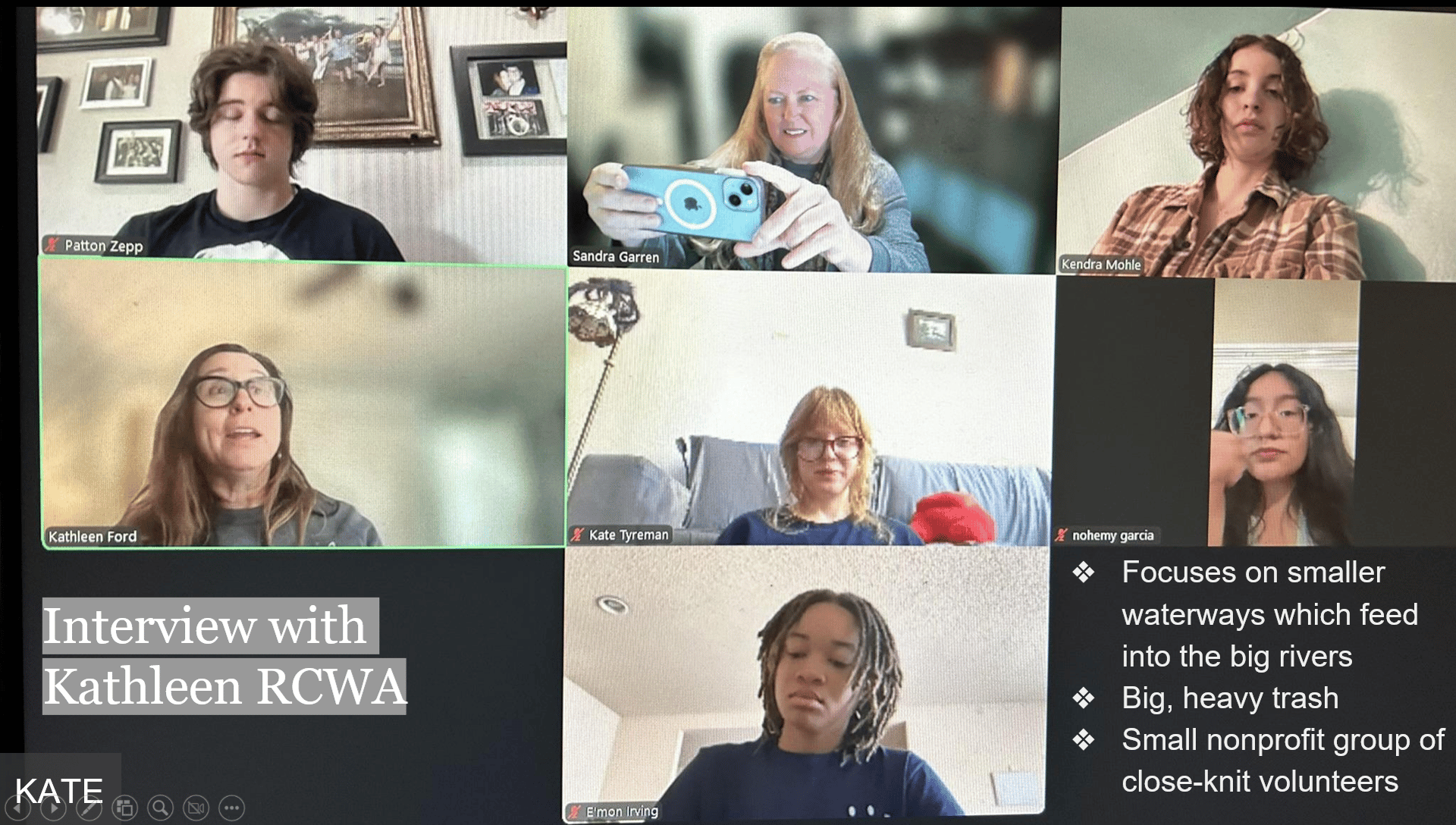
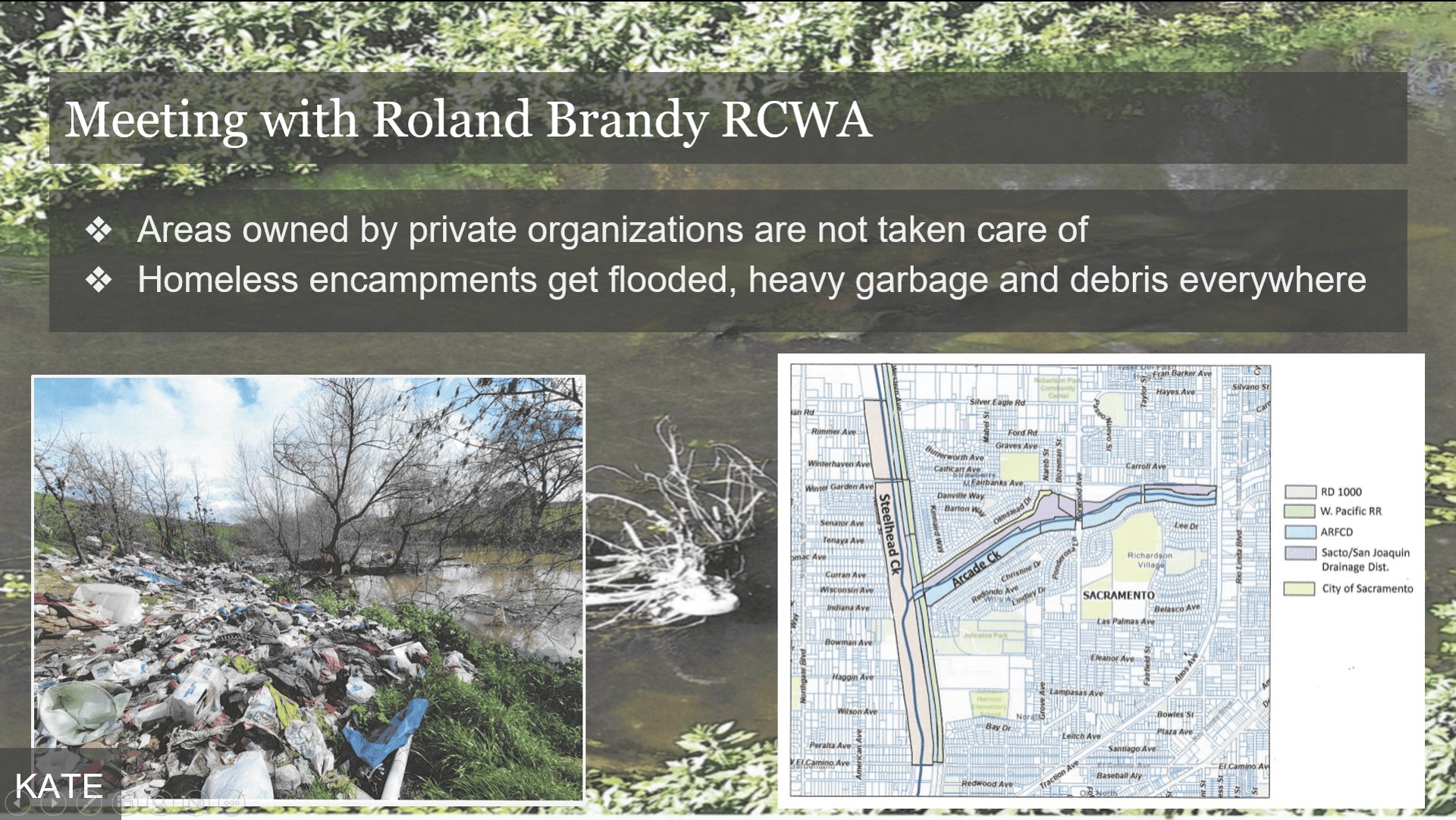
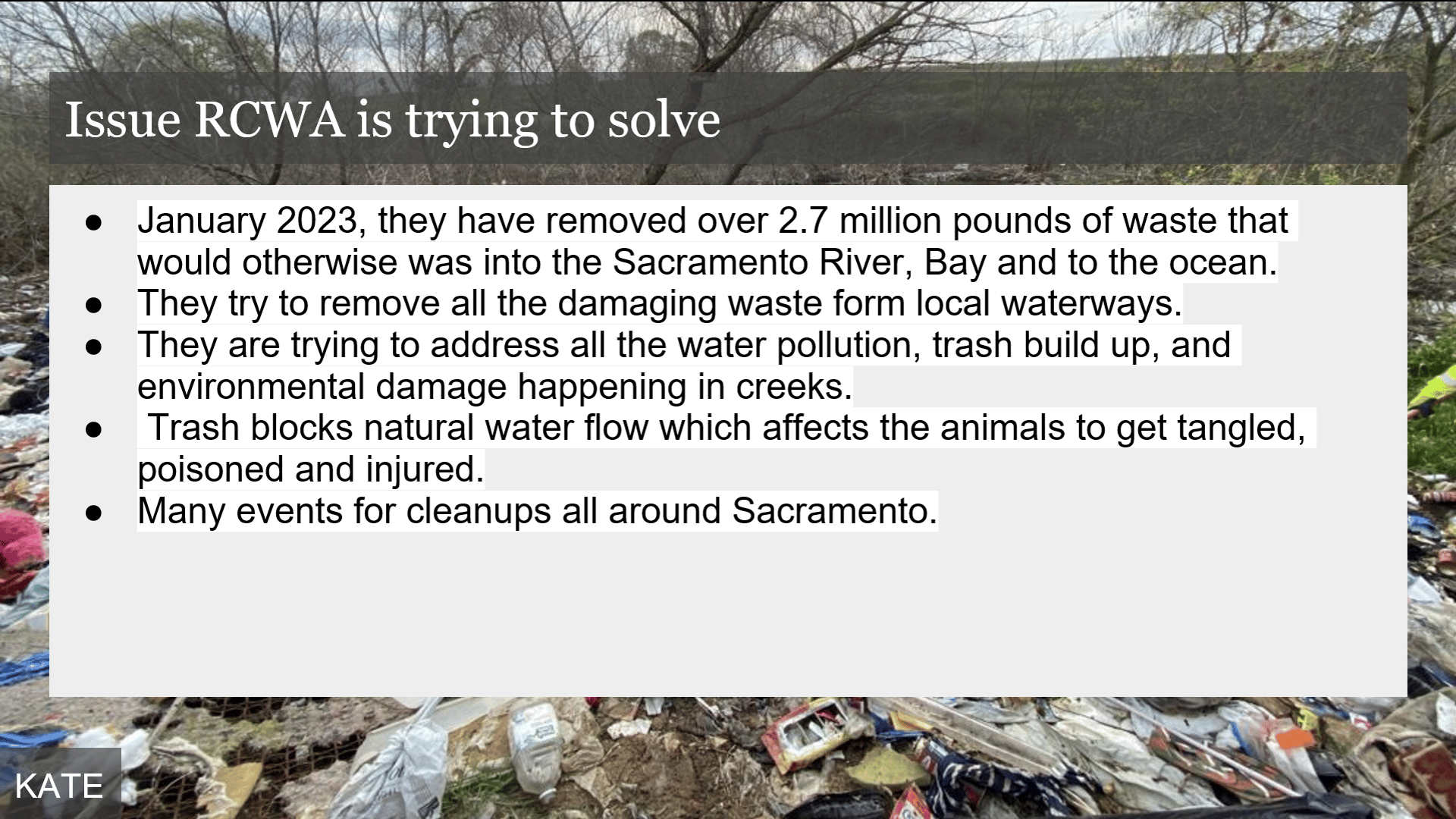
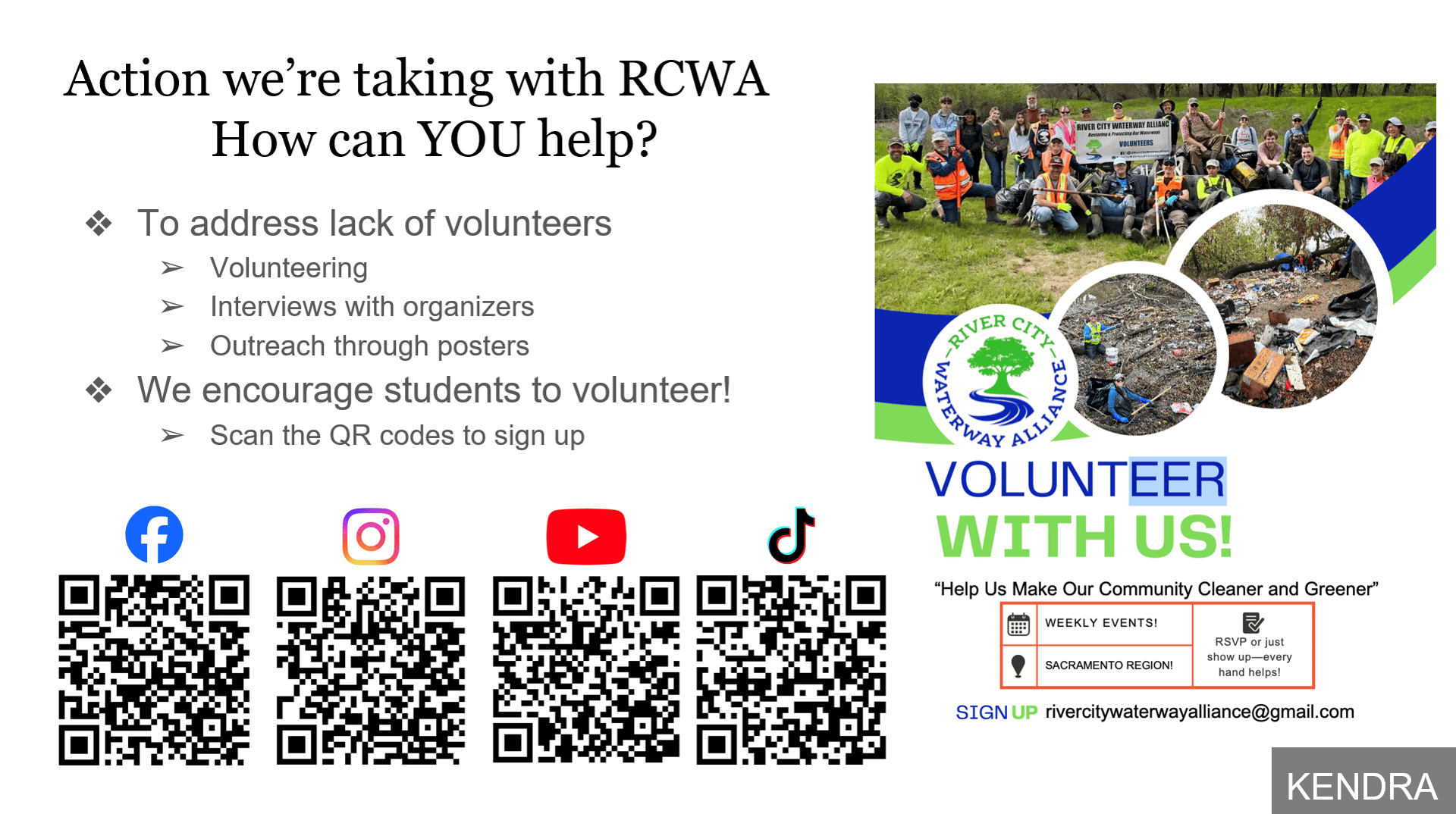
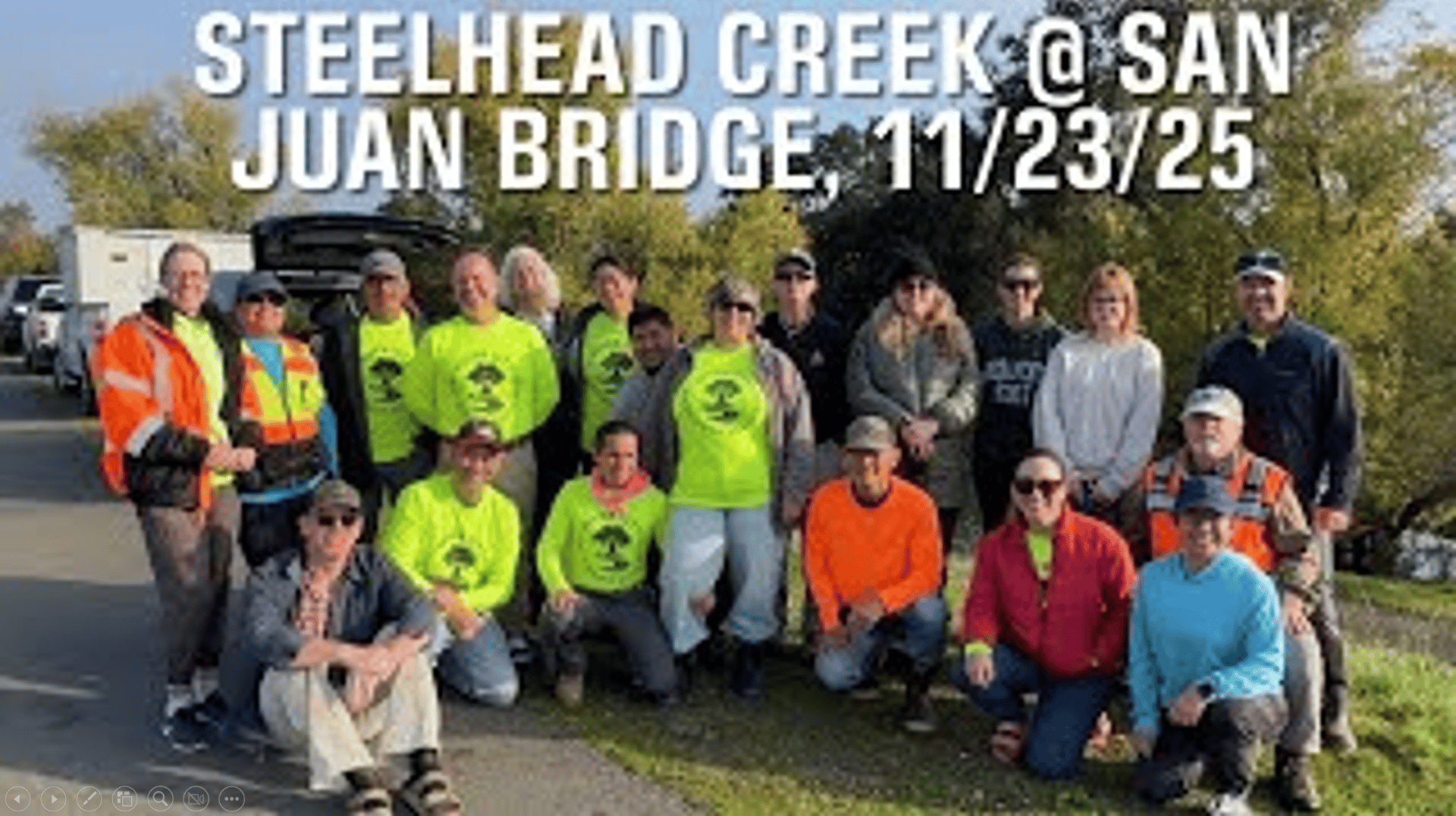
In our civic engagement project this semester, we focused on river cleanups and the impact of pollution on bodies of water, their inhabitants, and the people who rely on them. We participated in various river cleanups through the Great American River Clean Up (GARCU) and the River City Water Alliance Group we also had meetings with River City about the impacts and structure of their group and spread the word about their group through fliers. I personally attended both river cleanups and the first meeting with a River City organizer but could not attend the second due to work. I also worked a lot on the documentation and research side of the project. Our project changed some overtime since we weren’t sure what we could do to help grow the river cleanup efforts and what they needed. We initially thought about making plans to organize one but could not get enough information in time for that and instead we worked with River City to come up with what they actually need and projects for future groups and then we advertised their cleanups with posters around campus to spread the word and bring more volunteers their way.
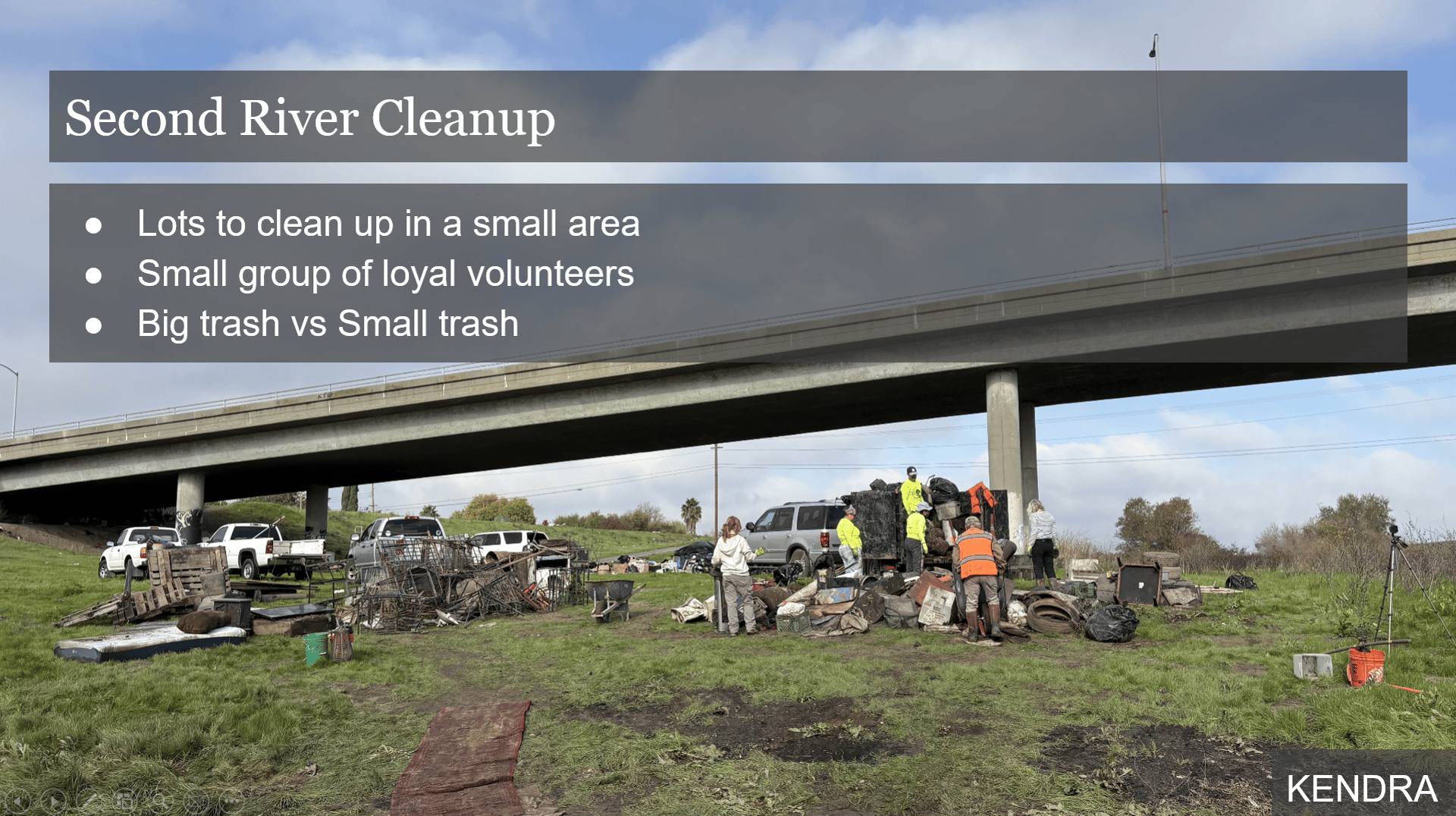
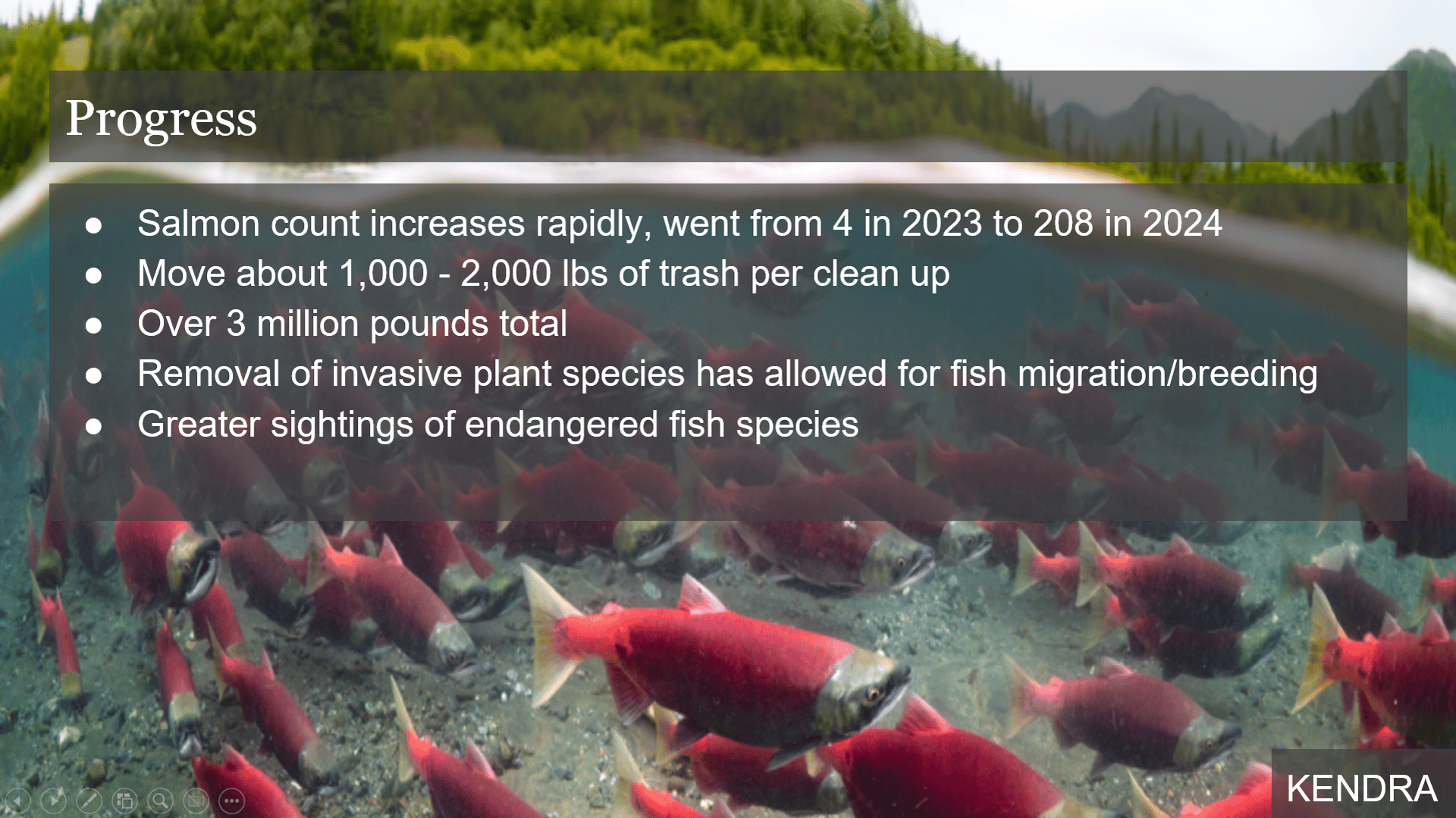
In this experience we worked with water pollution, soil pollution, waste management, environmental justice, and many more. We learned about how all of this trach on the riverbanks was affecting the river quality and the populations of the species that inhabited those areas, especially the salmon. We also learned about how they managed the different kinds of waste: metal, fabric, electronic, hazardous, needles, and other categories. All kinds of waste are present at these cleanups, and all need to be taken to different places to be managed properly. This final major area was environmental justice. Wealthier people can visit clean water areas such as Tahoe or other rivers and lakes that aren’t polluted but are more expensive to visit. For many lower income families, their local river is their only option for recreational water, and they are forced to deal with all of the pollution in their water. Working with the people out there doing the cleanups and really gave me an entirely different understanding of the issue. Before, I understood the problem and spent a lot of time at the river, just the nicer parts of the river. But understanding the environmental issue and seeing it firsthand are very different. Working with these groups, especially River City had a really big impact on me and my understanding of water pollution, environmental justice with it, and the solutions in practice, especially with how much those solutions lack in funding and manpower. I learned so much about civic engagement, communication, and how change happens from this. It was truly shocking to learn how little funding cleanup measures get and it relies entirely on volunteers, and not many people are willing or able to volunteer to do this. Additionally, different groups own different parts of the river which makes it more challenging to get the right permissions for a cleanup. Overall change in this area is very hard to do with a lack of funding, support, and volunteers and some policies need to change to give these groups the support and staff they need to really solve this problem. We started with the Great American River Cleanup and that one was pretty much what I had expected a river cleanup to be like. You showed up and used grab-nabbers to pick up surface level trach but overall, the area was in pretty good shape. It was just tidying up the area, and we were not dealing with large amounts of pollution or hard pollution at this cleanup. It was very light and suitable for kids and a good introduction to river cleanups and what most people think all river cleanups are. This cleanup did not surprise me at all. However, the second river cleanup through River City was very different and very much surprised me. That cleanup was working more with the large amounts of garbage and heavy pollution from flooded homeless encampments. This was not the light and easy maintenance work I saw with GARCU. This was an extraordinary amount of trash removed from one small area. After this cleanup, my perspective on cleanups as a whole shifted. Rather than the advertised view often presented, I got to see the harsher side of it with large areas of impact and tons of waste to be cleaned up. It was remarkable how much was actually there and how much could be picked up by a small group of people in just a few hours. And they do that almost every day. This really changed my perspective on river pollution, cleanups, and the overall impact to the area.
I plan to apply this knowledge in the future. While I don’t really have much coursework left since I am graduating, I will apply this to the little parts I have left. With my design class, we are working on designing a project and can do that in a way that is minimally wasteful and dispose of the hazardous materials we used properly. Additionally, I do still have my service-learning class to take next semester, and I can apply what I learned about service work in this class to that one as well. I did not affect my career pathway as I am already solidified with that path but there are ways to put environmental problem-solving into that area by using sustainable tech and purchasing components from environmentally responsible companies and use environmental problem-solving to do my part in reducing the waste being added to the problem. I did have a lot of fun doing these different cleanups and plan to continue to volunteer and convince others to join me as well. This experience did open my eyes a lot to what was happening in my community around me that I had never really witnessed firsthand and highlighted the issue. I felt so accomplished after that second cleanup and was really amazed by what we were able to accomplish there and the role I played and was able to contribute to that caus. I was shocked by my ability and impact with that as well as everyone else volunteering. It definitely changed my outlook on the community and opened my eyes to this environmental issue.
Please Click through the slideshow below via the arrows on the left and right of each image. Also click here to see photos from the civic engagement events.